

After knee surgery
Physiotherapy after knee replacement: preparing for recovery
Bring the discharge plan, understand your restrictions and set practical goals for physiotherapy after knee replacement.
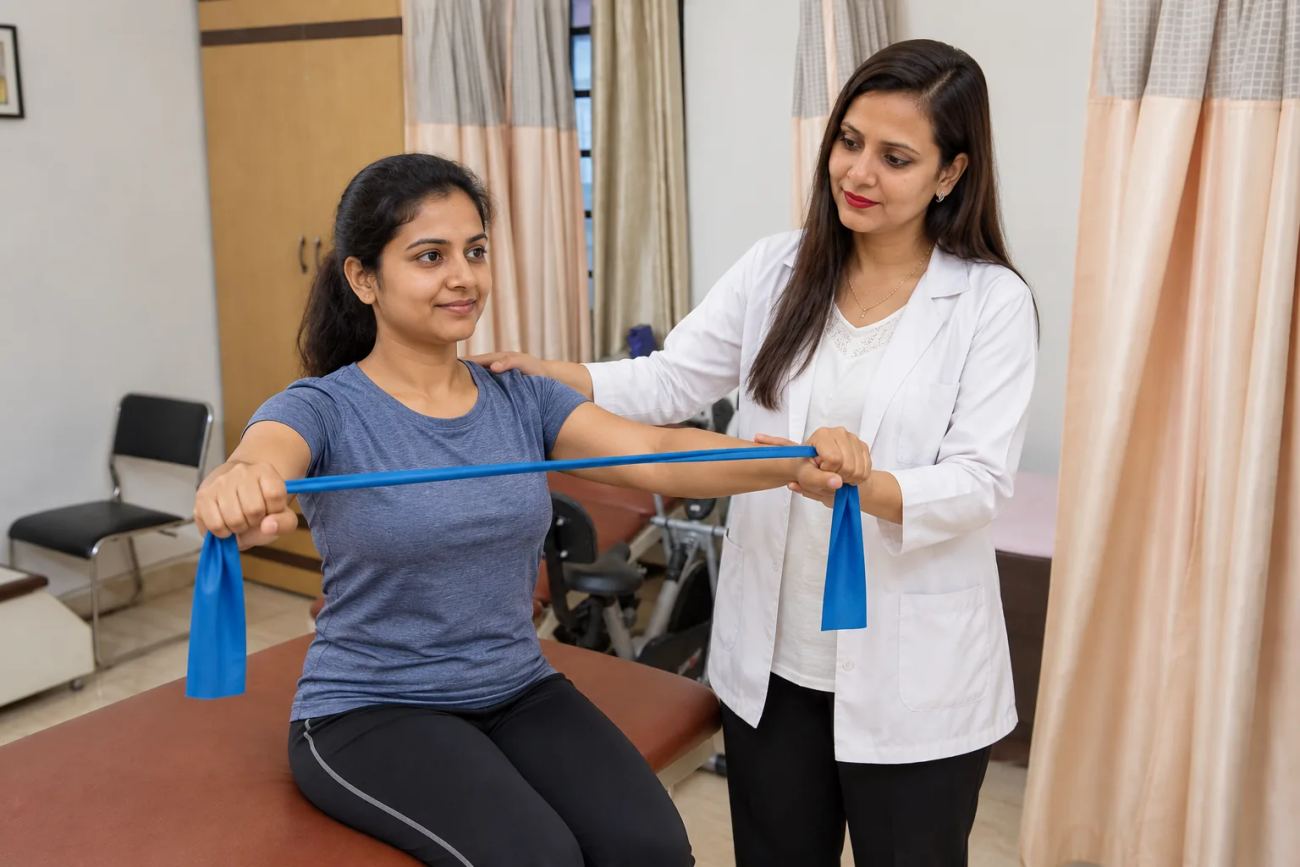
Start with the instructions from your surgical team
After a knee replacement, the advice from your hospital and surgeon should guide your recovery. Bring the discharge summary, operation details, exercise instructions and any guidance about walking aids or weight bearing to your physiotherapy appointment.
Do not change medicines, stop prescribed clot-prevention treatment or discard a walking aid because someone else recovered differently. Ask the relevant clinician before changing instructions you were given after surgery.
Make the plan fit your home and daily life
Physiotherapy after knee replacement can help you work on movement, strength and everyday activities. Explain your home setup, whether you need to manage stairs, and what help is available.
Early goals may involve moving around the home and managing ordinary tasks more confidently. The appropriate exercises and progression depend on your operation, symptoms and the advice of the surgical team.
Ask what progress and setbacks should look like
Recovery can take several months or longer and varies between people. Ask how the knee’s movement, your walking and your ability to carry out daily tasks will be reviewed. Avoid using another person’s recovery date as a target you must meet.
Keep a record of the exercises you were given and any symptoms that make them difficult. A review is an opportunity to adjust the plan with your clinician, rather than forcing a movement or adding an exercise without guidance.
Know which symptoms need medical help
Contact your surgical team or seek urgent medical assessment for fever, fluid or pus from the wound, new leg cramping, or redness, swelling and pain that are worsening. These symptoms may need assessment for an infection or blood clot.
Go to an emergency department immediately if leg pain and swelling occur with chest pain or difficulty breathing. Do not wait for a routine physiotherapy appointment.
Dr. Vandana Chauhan’s listed areas of care include rehabilitation after surgery. Bring the surgeon’s plan so any physiotherapy can be coordinated with the care you have already been given.