
Physiotherapy service
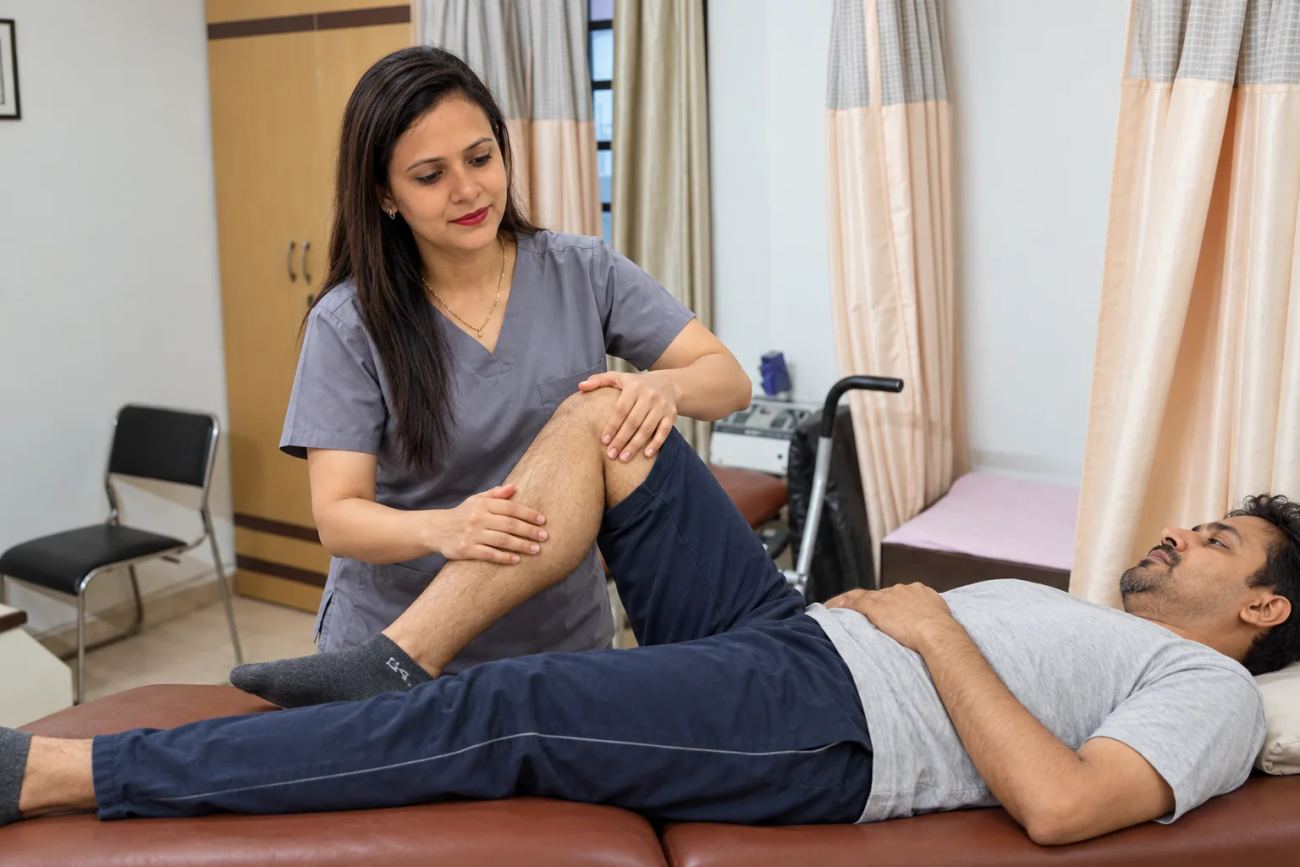
Joint mobility
Individual assessment for a joint that feels stiff, restricted or difficult to use during everyday movement.
Book on
Areas of support
- Shoulder movement
- Hip and knee mobility
- Ankle and foot movement
- Elbow, wrist and hand function
- Movement after injury or immobilisation
Describe the movement, not only the joint
A joint problem is easier to understand when it is connected to a real task. Reaching a shelf, getting up from a chair, using stairs, gripping an object and walking on uneven ground all place different demands on the body.
Explain which direction feels limited, whether the restriction changes through the day and whether swelling, an injury, surgery or a period of reduced activity came before it.
What may be assessed
The physiotherapist may compare active movement, assisted movement, strength and the way nearby joints contribute to the task. Balance and walking may also be relevant for a hip, knee, ankle or foot concern.
The purpose is to identify a useful starting point and decide whether physiotherapy is suitable. It is not a competition to reach a universal range of motion.
- The activity that has become difficult
- Pain, stiffness, swelling or a feeling of instability
- Previous surgery, injury or diagnosed conditions
- Changes through the day or after activity
- Your usual work, sport and home demands
Building a plan around function
A plan may use mobility work, strengthening, balance practice, advice about activity and manual therapy. The selection should follow the assessment and be explained in relation to the task you want to improve.
Ask which movements are priorities, which symptoms should be monitored and how the amount of exercise should change over time.
Movement after injury or a period of rest
Movement can feel unfamiliar after an injury, immobilisation or a period of doing less. Progression needs to consider tissue healing, medical restrictions and how the joint responds between sessions.
Do not copy an exercise progression from someone with a similar looking problem. The diagnosis, stage of recovery and restrictions may be different.
Following the home plan
If home exercises are recommended, make sure you know the movement, amount, frequency and any limit set by the physiotherapist. Ask what response is expected and what should prompt a call to the clinic.
Tell the physiotherapist if the plan does not fit your day, space or equipment. A plan that can be followed consistently is more useful than one that exists only on paper.
How changes can be reviewed
Review can include the joint movement itself, but it can also include strength, balance, confidence and the quality of the task that first brought you in.
Keep a short note of what is easier, what remains limited and how you responded after the home programme. This gives the next appointment useful detail.
When to seek medical assessment
A joint that has changed shape after an injury, feels numb, looks unusually pale or blue, or cannot take weight needs prompt medical assessment. Fever with a hot, markedly swollen joint also needs medical attention.
If you are unsure whether routine physiotherapy is appropriate, contact a medical professional before waiting for an appointment.