

Knee osteoarthritis
Knee osteoarthritis: planning for everyday movement
How an individual movement plan can support daily activities when knee osteoarthritis causes pain and stiffness.
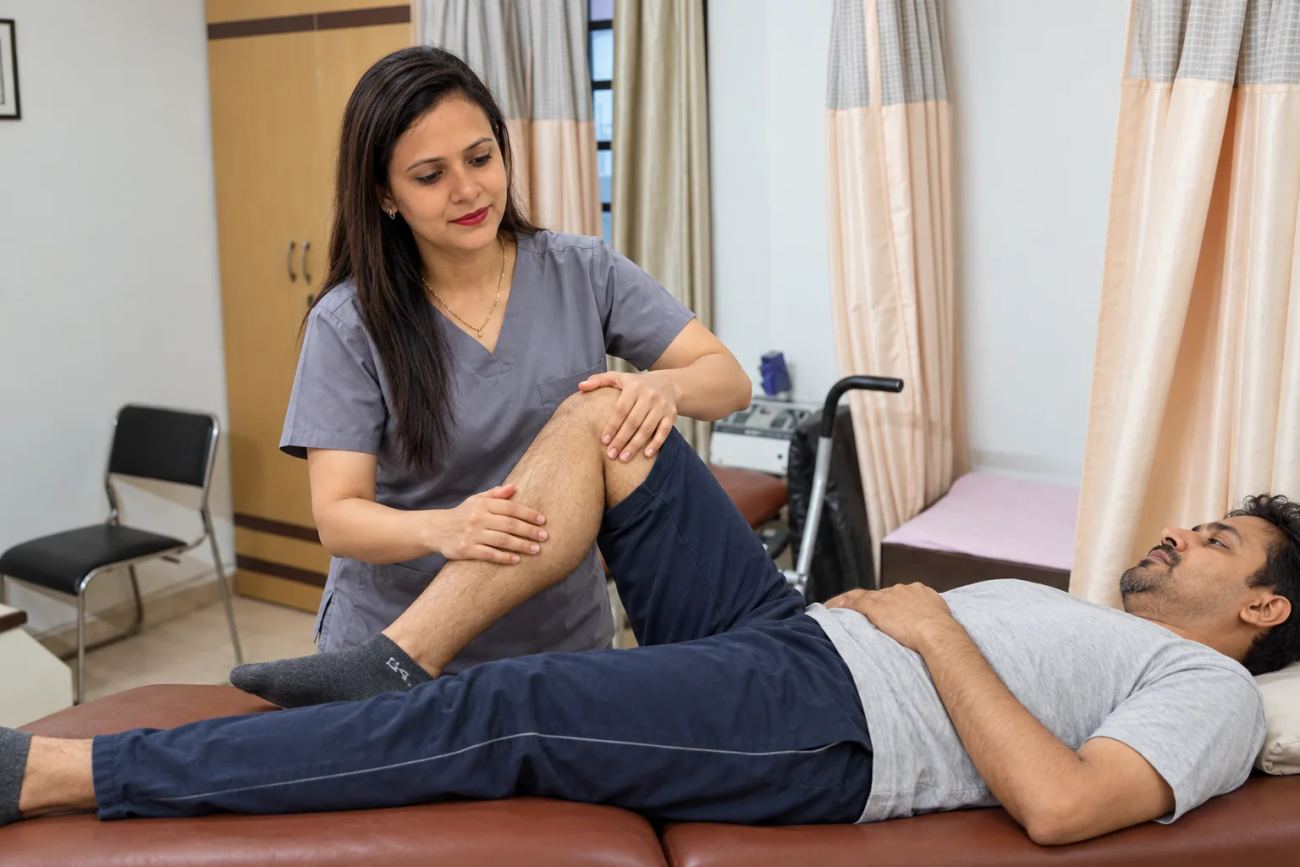
Look at the tasks that have become difficult
Knee pain can make short walks, stairs and getting up from a chair feel like significant obstacles. If osteoarthritis has been diagnosed, explain which of these activities you most want to improve. If the cause has not been assessed, do not assume all knee pain is arthritis.
A useful starting point is a short record of the activity, the symptoms and how long it takes for them to settle. Note swelling, episodes of the knee giving way and any recent injury.
Exercise is part of care, but the plan is individual
Exercise is an important part of managing osteoarthritis. Strengthening and general activity can help symptoms and function, but the starting level should suit your current ability and health.
Ask for a clear plan rather than a list of exercises without guidance. Discuss how often to practise, what response is acceptable and what to do if pain or swelling increases. Doing too much too quickly is not the same as making useful progress.
Review function as well as pain
Tell your physiotherapist whether you can walk further, manage stairs more confidently or rise from your usual chair more easily. These practical changes can help guide the next review.
An exercise plan does not promise to reverse arthritis or remove the need for all other treatment. Medical care, practical support and, for some people, a surgical opinion may also be part of managing the condition.
Do not ignore a sudden change
Get prompt medical advice if the knee becomes very painful, badly swollen, changes shape, or will not take weight. A hot or red knee with a fever or feeling unwell also needs urgent assessment.
Joint mobility and arthritis care are among the services listed for Dr. Vandana Chauhan’s clinic. Bring any previous diagnosis or reports so the discussion can focus on a plan appropriate to you.